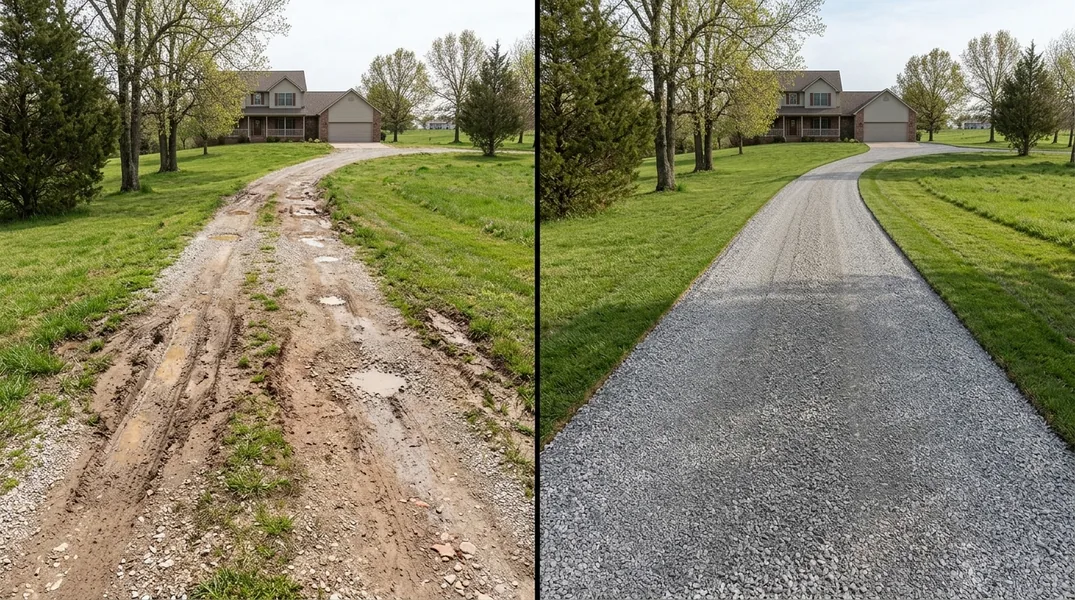
How Long Does New Asphalt Take to Cure?
One of the most common questions homeowners ask after investing in Asphalt Driveway Paving & Installation is how long the curing process takes. The answer isn't quite as simple as a single number, because asphalt curing happens in stages. When your new driveway is freshly paved in Springfield, the surface begins to cool and harden immediately, but the real curing process takes considerably longer.
The initial set typically occurs within 24 to 48 hours, during which the asphalt becomes firm enough to walk on and withstand light foot traffic. However, the full curing process can take anywhere from 6 to 12 months, depending on weather conditions, temperature, and humidity levels. During this extended curing period, the asphalt continues to harden and compact, becoming stronger and more durable. In cooler climates or during winter months, curing may take longer because the temperature slows down the chemical bonding process that makes asphalt stable and resilient.
How Long Before You Can Drive on New Asphalt?
Patience is essential after your new asphalt installation. While the surface may look ready for traffic within a day or two, driving on new asphalt too early can cause permanent damage. Most professional paving contractors, including Springfield Asphalt Paving, recommend waiting at least 48 to 72 hours before allowing vehicle traffic on a newly paved driveway. This waiting period allows the top layer to cool completely and the binder to begin setting properly.
For the first two weeks after installation, it's best to avoid heavy vehicles, parking in the same spot repeatedly, or making sharp turns that could stress the still-curing surface. Light driving is generally acceptable after the initial 48-72 hour window, but you should continue to treat your driveway gently during the first month. If you're unsure about your specific timeline, contact Springfield Asphalt Paving at (417) 363-3550 for personalized guidance based on current weather conditions and your installation date. The few extra days of caution now will add years to your driveway's lifespan.
New Asphalt Driveway Care: The Critical First Year
Proper maintenance during the first year of your driveway's life is crucial for long-term durability. New asphalt driveway care starts with understanding that your investment is still undergoing chemical changes and settling into its final form. During warm months, newly installed asphalt can soften slightly in extreme heat, so avoid parking heavy vehicles in the same location for extended periods. This prevents permanent indentations that could collect water and accelerate deterioration.
One of the most important aspects of new asphalt care is preventing water damage. Ensure your driveway has proper drainage so that rainwater and melting snow don't pool on the surface. Standing water can seep into small cracks and, when temperatures drop, expand and cause more damage. Keep your driveway clean by sweeping away debris and leaves, as organic material can trap moisture against the surface. If you notice any small cracks forming during the first year, address them promptly with professional Pothole Repair & Asphalt Patching services before they develop into larger problems that require more extensive repairs.
Avoid using salt-based ice melts during the first winter if possible, as these can be harsh on newly cured asphalt. Instead, use sand for traction or consider calcium chloride alternatives that are gentler on your pavement. The first year is when you're establishing good habits that will protect your driveway investment for years to come.
How Often Should You Seal Your Driveway?
Seal coating is one of the most effective preventative maintenance measures you can take for your asphalt driveway. The question of how often to seal driveway surfaces depends on several factors, including climate, traffic volume, and the quality of your initial installation. In general, most experts recommend seal coating your driveway every 2 to 3 years to maintain optimal protection. However, for newly paved asphalt in Springfield, you should wait at least 6 to 12 months before applying your first seal coat, allowing the asphalt to fully cure.
The purpose of seal coating is to create a protective barrier between your asphalt and harmful elements like UV rays, water, oil, and chemicals. This barrier prevents oxidation, which causes asphalt to fade and become brittle. It also fills small surface voids, making your driveway more resistant to cracking and water infiltration. If you live in an area with harsh winters or heavy traffic, you may want to seal coat more frequently, perhaps every 2 years. Conversely, if your driveway experiences light use and mild weather, every 3 years may be sufficient.
To determine the right seal coating schedule for your specific driveway, consider having a professional assessment. Springfield Asphalt Paving can evaluate your pavement's condition and recommend a maintenance plan tailored to your needs. Regular seal coating is far more cost-effective than dealing with extensive damage that requires Asphalt Resurfacing & Overlay or complete replacement.
Winter Care for Your New Asphalt Driveway
The first winter after asphalt installation is a critical test for your new driveway. Cold temperatures, freeze-thaw cycles, and snow removal equipment can all impact a driveway that's still in its curing phase. To protect your investment, use a plastic shovel rather than a metal one when clearing snow, as metal can gouge the surface and create entry points for water. Avoid using a snowblower on your new asphalt during the first winter if possible, as the aggressive action can damage the still-settling surface.
Freeze-thaw cycles are particularly challenging for new asphalt. When water seeps into the pavement and freezes, it expands and can create cracks. To minimize this risk, maintain excellent drainage around your driveway and avoid letting snow and ice sit for extended periods. If you must use ice melt products, choose ones that are safe for new asphalt, and apply them sparingly. If significant cracking or damage occurs during your first winter, don't delay in contacting Springfield Asphalt Paving for professional Driveway Repair services to prevent further deterioration.
Getting Professional Guidance for Your New Driveway
While this guide provides general best practices for new asphalt care, every driveway is unique, and local conditions in Springfield can affect how your pavement performs. The best way to ensure your new driveway reaches its full potential lifespan is to work with experienced professionals who understand regional weather patterns and soil conditions. Springfield Asphalt Paving has years of experience installing and maintaining driveways throughout the area, and our team can provide specific recommendations for your property.
If you're planning a new asphalt installation or need advice on caring for recently installed pavement, reach out for a free estimate or call (417) 363-3550 to discuss your needs. Our professionals can answer questions about curing times, driving restrictions, seal coating schedules, and seasonal maintenance. Investing a little time in proper care now will protect your driveway investment and keep it looking great for decades to come.
Looking for a professional asphalt paving contractor in Springfield? Springfield Asphalt Paving responds fast for all your asphalt paving needs.
Get a Free Quote